


In the 19th century the US company E. A. Boyd & Sons imported plate glass without paying their taxes. The government caught on and they impounded 35 cases of their plate glass as a down payment. Then they ordered Boyd to forward a copy of their invoices to take a look at what else they imported.
Boyd argued that handing over their invoices violated their rights under the US Constitution. It protected Boyd from unreasonable “search and seizures” and shielded them from self-incrimination.
In 1886, the US Supreme court agreed. The court decided that in a free society every citizen should have a zone of privacy. It said that this zone was the “very essence of constitutional liberty” and was needed to protect “the privacies of life.”
This was the beginning of privacy law.
What is the History of Privacy?
Privacy's history is marked by its relationship with technology and societal norms. As communities evolved from small groups into complex societies, the concept of individual space—both physical and metaphorical—became more prominent.
One important moment in privacy history occurred in 1890, when Samuel Warren and Louis Brandeis published "The Right to Privacy" in the Harvard Law Review. Disturbed by potential government intrusion, Warren and Brandeis said people should have the right to be left alone. They came up with a new idea of privacy that is still important today.
How Did Privacy Evolve in the 20th Century?

The 20th century had a lot of technological advances—telephones, televisions, and computers—that challenged traditional notions of privacy. Each innovation forced society to reconsider what privacy meant and how it could be protected.
The Role of Technology in Privacy Evolution
Each technological advance has brought with it new privacy challenges. The telephone allowed strangers to check on conversations, while the internet made it possible to collect and analyze large amounts of personal information.
The rise of state and commercial spying has been one of the most significant threats to personal privacy. From government eavesdropping to targeted advertisements based on personal data, the invasion of our private lives has become a pressing concern.
This is when privacy laws came in. In 1970, the U.S. established the Fair Credit Reporting Act, and in 1995, the European Union adopted the Data Protection Directive, setting the stage for the later General Data Protection Regulation (GDPR).
Why is Privacy Important?
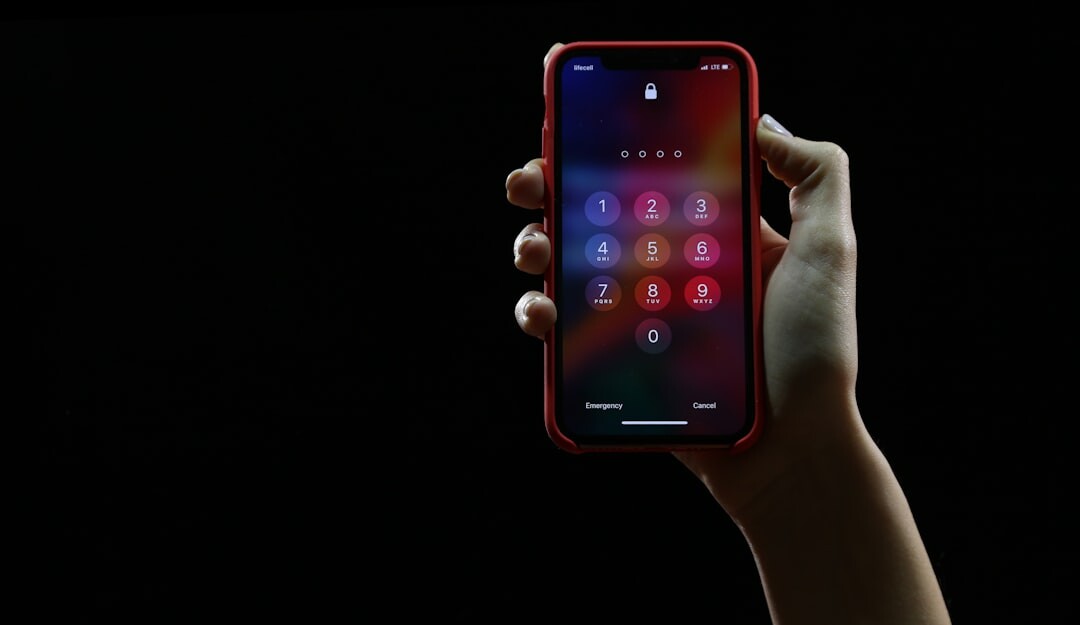
Now the key thing to think about here is that privacy protected people through their stuff. It’s your possessions that may say something about you that’s incriminating. Maybe an angry letter would show violent intent. The letter would be protected and by extension the person is protected.
This early view of privacy didn’t last long. Early in the 20th century the Supreme Court found that property used in connection with a crime became an “instrumentality of the crime.” So not everything was protected within your zone of privacy.
That means that those invoices from Boyd’s tax evasion were no longer considered private property.
And, in 1967 in Berger v. New York the police planted a bug in the office of attorney Ralph Berger. He was then recorded trying to bribe a New York City official. The court found that this was okay and became a model for later wiretap laws.
So your zone of privacy isn’t nearly as strong now as it would’ve been at the end of the 19th century. But equally important, the court no longer thought of privacy as a right extended to you through your stuff.
This leaves modern privacy laws in a little bit of a strange place. A lot of times it means that how businesses think about privacy depends a lot depending on what ethical theories you use.
Many organizations try to create privacy practices based on deontology or their duties to their customer. They think in terms of what they owe their customer to keep private.
It's also very common for organizations to take a more utilitarian approach. They’ll only think about the consequences of their customers finding out that they shared their data. Otherwise, it’s fine to collect private customer data if the ends justify the means.
The company might decide on your behalf to trade your privacy if it leads to a free service or lower prices.
The important thing to keep in mind is that current US laws are pretty loose and you’d be surprised at what’s permitted. But many things that are legal may not be ethical. That’s why massive privacy breeches seldom lead to criminal charges.
A lot of your organization’s privacy policies will come from these difficult conversations about what your company sees as an ethical way to do business.
What are the Modern Privacy Issues and Challenges?
Today, privacy problems are more than just keeping data safe. They involve the ethical use of AI, the rights to erase your online information, and the boundaries of public surveillance.
The digital age has made personal information more accessible and more vulnerable than ever before. From social media to smart devices, our lives are increasingly open to public opinions.
Current challenges include dealing with the large amounts of data collected, preventing unauthorized access, and making sure that new tech doesn't move faster than we can keep privacy safe.
In the future, people will try to keep computers and the internet safe by being ready before problems happen. They'll use stronger encryption measures to protect information, make stricter rules to keep things fair, and think more about doing the right thing when they create new technology.
Privacy is very important for people. It shows how people try to keep their own space. They want to be in control. The world is more open now, but people still want privacy.
Learning about this history shows us the road we've walked. It helps us protect our right to privacy in the future. As you move through the changing world, remember that keeping your privacy safe isn't just about locking up your data. It's about keeping you safe.
Frequently Asked Questions
What role did information technology play in the evolution of privacy?
Information technology has played a crucial role in the evolution of privacy by facilitating the collection, storage, and dissemination of personal data. This has led to both unprecedented opportunities for connectivity and communication, as well as challenges in protecting privacy and preventing privacy violations.
What are some principles of privacy that have been recognized throughout history?
Throughout history, principles of privacy have included the right to control personal information, the need for consent in data disclosure, and the protection of intimate details from unauthorized access.

This is my weekly newsletter that I call The Deep End because I want to go deeper than results you’ll see from searches or LLMs. Each week I’ll go deep to explain a topic that’s relevant to people who work with technology. I’ll be posting about artificial intelligence, data science, and ethics.
This newsletter is 100% human written 💪 (* aside from a quick run through grammar and spell check).
References:
- https://www.jstor.org/stable/1327500
- https://plato.stanford.edu/entries/privacy/
- https://www.oecd.org/sti/ieconomy/privacy.htm
- https://www.britannica.com/topic/privacy
- https://www.epic.org/privacy/
- https://www.aclu.org/issues/privacy-technology
- https://www.historians.org/publications-and-directories/perspectives-on-history/december-2014/the-history-of-privacy
- https://www.eff.org/issues/privacy
- https://privacyinternational.org/
- https://www.cnil.fr/en/home